
Patrick Teahan, MSW
Lead Researcher, Educator & RRP Practitioner. Patrick Teahan holds a Master's in Social Work from Boston College and a dual Bachelor's degree in Music and Psychology from the University of Massachusetts Boston. He began his clinical career working with veterans at the Department of Veterans Affairs in acute inpatient psychiatry, and went on to serve as a clinical supervisor in community mental health and private practice outpatient settings.
In 2012, Patrick opened a private practice focused on childhood trauma recovery, where he facilitated long-term Relationship Recovery Process (RRP) groups and developed a six-month introductory modality for clients beginning family-of-origin work. He ran that practice for over a decade before transitioning in 2024 to focus full-time on education and research.
Patrick's clinical perspective is shaped in equal measure by his training and his lived experience. He entered therapy at nineteen as a childhood trauma survivor and spent five years as a client of Amanda Curtin, LICSW — the creator of the RRP model. That experience became the foundation for his career and his long-term collaboration with Curtin across clinical practice, education, and research.
As lead researcher, Patrick has developed two peer-reviewed clinical assessments: the Family Toxicity Scale, published in the Journal of Family Trauma, Child Custody & Child Development (2025), and the CPTSD-DSO Scale, co-authored with Dr. Stephen Foster and published in the Journal of Affective Disorders (2025). He leads the ongoing longitudinal study on the efficacy of the RRP group model, with initial findings projected for publication in 2026.
Patrick is also a widely recognized educator in childhood trauma, reaching over 900,000 subscribers and more than 70 million views through his psychoeducational content. He trains clinicians in the RRP model, runs an online healing community for survivors, and is currently writing a book about his experience as an RRP group client.
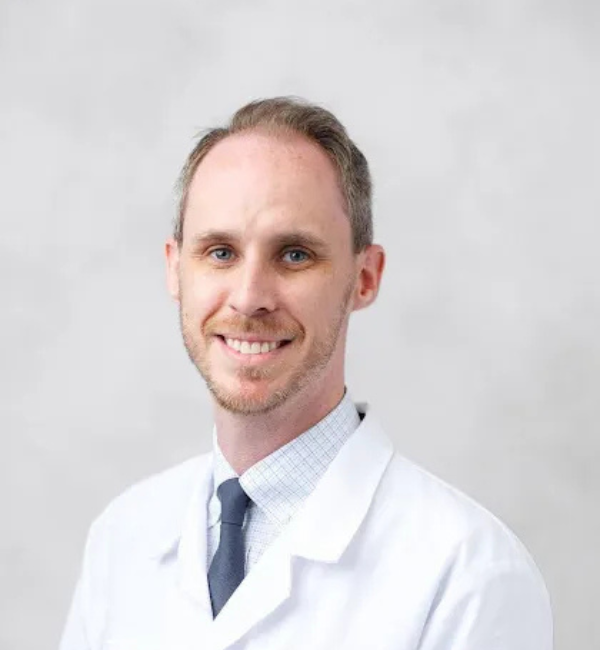
Kyle Jennette, PhD, MA
Kyle Jennette, PhD, MA serves as a research and statistical consultant for RRP. He provides oversight of research and data management operations for studies in RRP Group.
Dr. Jennette is also a clinical neuropsychologist at UI Health and Assistant Professor of Clinical Psychiatry, Neurology, and Surgery and the University of Illinois Chicago College of Medicine.
Dr. Jennette earned his bachelor’s degree in Psychology from Flagler College, master’s degree in Gerontology from the University of South Florida, and PhD in Clinical Psychology with emphasis in Neuropsychology from the University of Wisconsin-Milwaukee. He completed his clinical psychology internship in Neuropsychology at the University of Chicago Medical Center and fellowship in Clinical Neuropsychology at the University of Illinois - Chicago Medical Center.
Dr. Jennette clinical work is focused on neuropsychological evaluation of adults with memory and cognitive concerns, with expertise in aging and dementia; Alzheimer’s disease; end-stage organ failure; transplant surgery (stem cell, kidney, liver, heart, intestinal); complex medical/cerebrovascular disease (Long-COVID; stroke; sickle cell disease); epilepsy; and traumatic brain injury (TBI).
Dr. Jennette's research is broadly focused on translational neuroscience, interdisciplinary care, and social determinants of health (SDoH) in cognitive and psychological functioning.
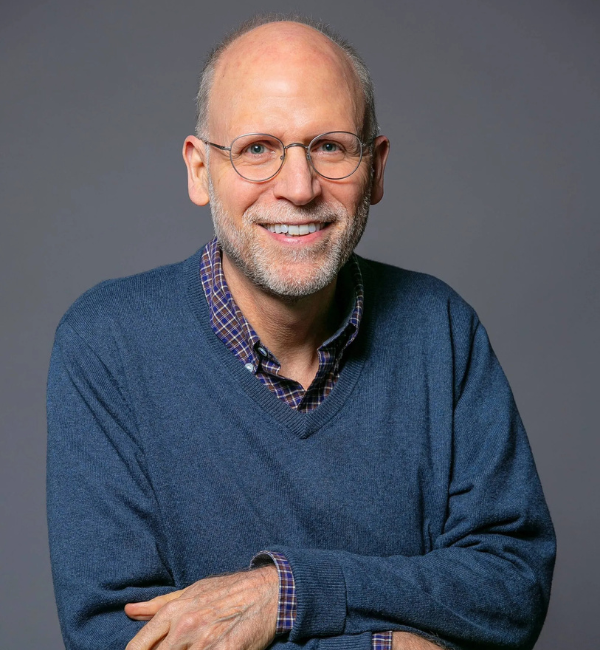
Dr. Christopher Frechette
Dr. Christopher Frechette is a licensed independent clinical social worker and fellow childhood trauma survivor. In his private practice, Christopher Wellness LLC, he helps adults heal from effects of childhood trauma and engages in research and publication studying both childhood-trauma treatment and spiritual resources for trauma recovery.
He offers group and individual psychotherapy employing the Relationship Recovery Process (RRP) developed by Amanda Curtin. His expertise includes helping childhood trauma survivors who have been injured by oppressive religious influences, those who seek to integrate spirituality into their healing journey, and those who identify as LGBTQ+.
Dr. Frechette earned an undergraduate degree in English and philosophy, with a minor in psychology (BA, Rockhurst University); masters degrees in social work (MSW, Salem State University), in ministry (MDiv, Santa Clara University), and in theology (STL, Boston College); and a doctorate in ancient Near Eastern religious texts (ThD, Harvard University).
His internationally recognized academic publications using trauma theory to interpret biblical texts include Bible through the Lens of Trauma (2016, co-edited with Elizabeth Boase) and “Two Biblical Motifs of Divine Violence as Resources for Meaning-making in Engaging Self-blame and Rage after Traumatization,” Pastoral Psychology 66 (2017): 239–49;
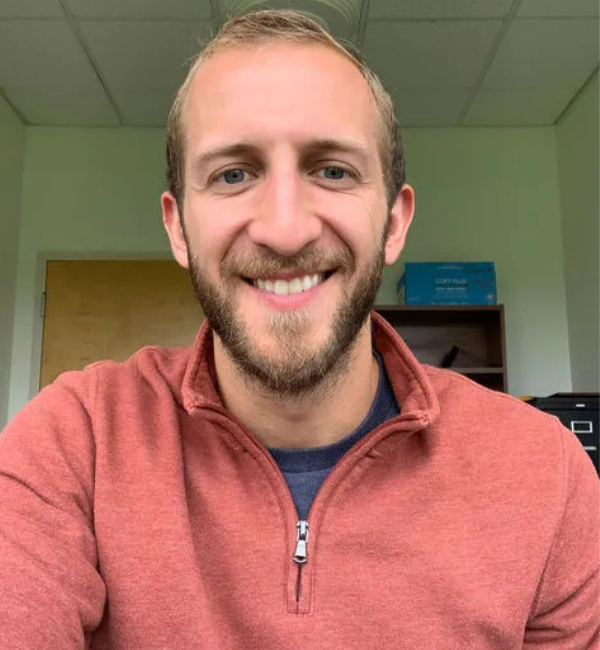
Dr. Stephen Foster
Dr. Stephen Foster is a PhD Social Psychologist currently working as an Assistant Professor at the Penn State University York campus. Dr. Foster holds a B.S. in Psychology and a B.A./B.S. in Spanish from Albion College in south central Michigan.
He subsequently received both his M.S. in Psychology and his PhD in Psychology from the University of Oklahoma. He currently teaches a range of classes in social psychology and social-adjacent themes including Health Psychology and Cross-Cultural Psychology.
His research is focused on the overlap between cultural factors, health behaviors, and stigma, with a recent focus in mental health help-seeking and trauma. He also does work in psychological measurement and the validation of assessments for clinical features and outcomes.