
Spotting Toxicity
Toxic families, workplaces, and friend circles tend to orbit around the most toxic person in the room. Patrick on how to spot that person, why survivors miss the clues, and what happens when you stop playing along.
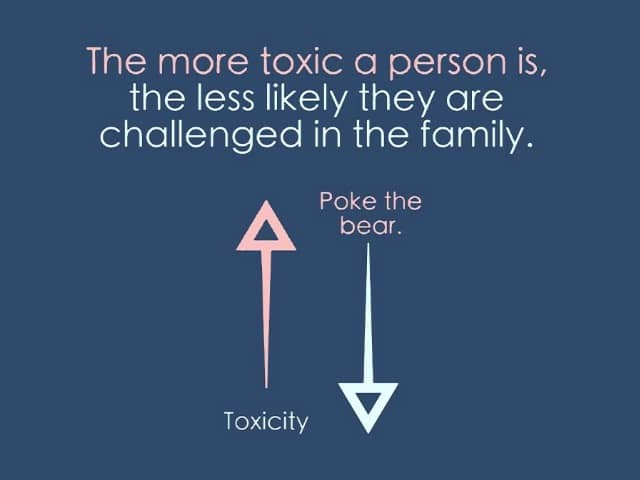
Toxic families, friend circles, and work environments tend to dance around the most toxic person. You can spot a toxic person by how they react to being challenged or given feedback.
If they respond with high reactivity, revenge, passive aggression, or profound victimization, it's a perfect clue about their toxicity.
As childhood trauma survivors, we often miss such clues because of our shame, or because toxicity feels so familiar. As a result, we've also never seen healthy accountability.
Examples:
- Don't rock the boat with mom. You know how angry she gets.
- Don't rock the boat with dad... you know how neurotic he is.
- Don't tell that to your brother right now. He's got too much going on.
- Don't tell your mother about that. She'll lose it.
Systems cater to the most toxic person, but... f*** that.
Our tolerance for such systems diminishes as we grow, mature, and heal. It's a good thing.
What would happen if you didn't take part in catering to the most toxic person in your family? If you've already stopped, what was that process like? How did it go down?
It's often a choice about reserving space for ourselves instead of the most toxic, and in my experience, it changes everything, though it can be hard to do at first.
Patrick and team
This video is part of the following playlists...
This video is featured in...
Want to go deeper?
Referenced videos
Playlist
This article relates to...
Subscribe to the recovery newsletter loved by 1000s of survivors


Would you like to hear from Patrick and get help?
Get free inspiration and education, delivered weekly to your inbox.
