
When protecting yourself is called "selfish"
In toxic family systems, 'selfish' is a weapon used to keep you in your assigned role. Patrick makes the case for a healthy kind of selfishness — the kind that protects your values, your safety, and your real self.
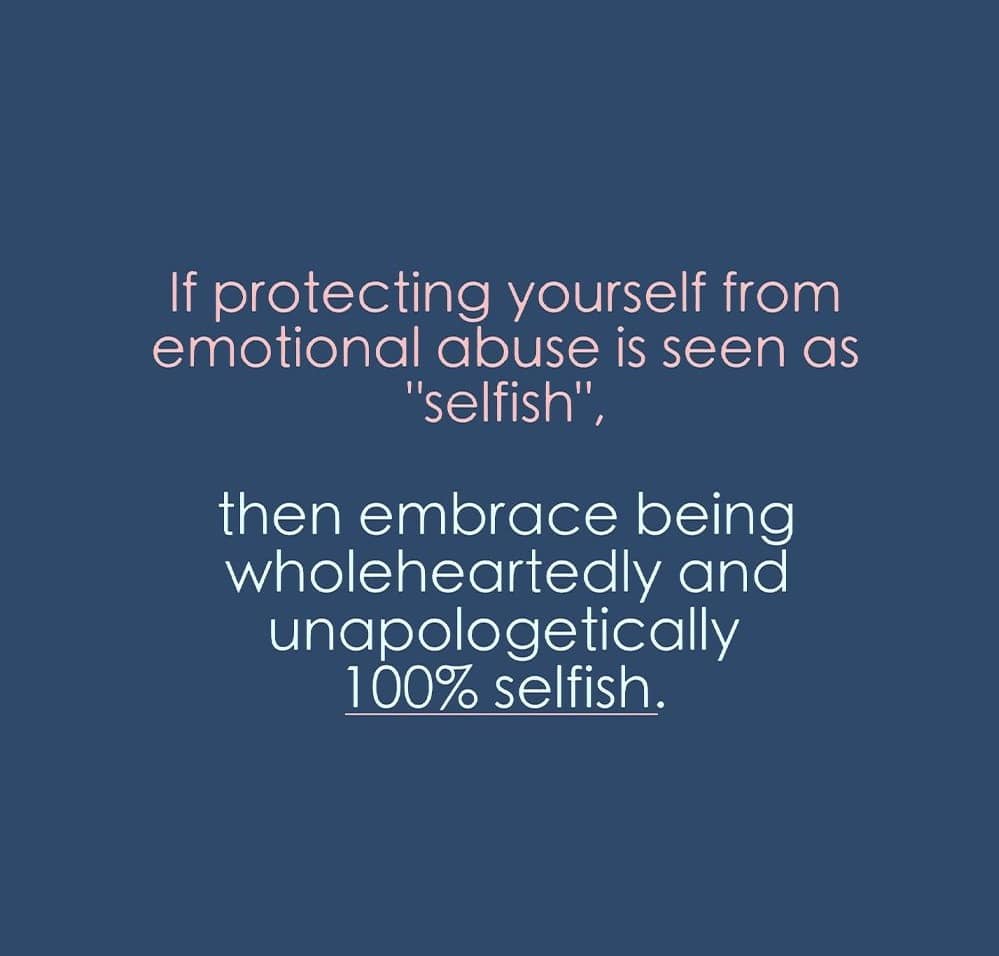
If protecting yourself from emotional abuse is seen as "selfish," then ... embrace being wholeheartedly and unapologetically 100% selfish.
"You're selfish" is one of the toxic family system's most repeated and weaponized statements. Sometimes it's said outright. Other times it's implied indirectly. Either way, it cuts straight to the core—especially when you're already carrying deep internal shame from growing up in abuse.
But there is a healthy form of selfishness.
It shows up when we protect:
- our values
- our truth
- our inner child — or our real children
- our physical, emotional, and sexual safety
- our choices
- our heart
In the first few years of my own trauma recovery, I was labeled "selfish" for cutting off my nuclear family. It was the hardest thing I've ever done — and also the most life-changing. Staying would have meant not fully recovering from the family system's special rules.
I think there has to be some willingness to let things fall apart.
Most of us have spent years — if not a lifetime — trying to make it work, and working, and working… with nothing to show for it.
So go be "selfish."
You're already being misunderstood and not truly seen anyway. What's the difference if they pull out that label?
Because when you look at it closely, the opposite of being "selfish" — according to what the toxic family system wants from you — is to be:
- submissive
- scapegoated
- enmeshed
- parentified
- supportive of the dysfunction
- loyal
- locked into the victim, rescuer, perpetrator roles
And most importantly, the system wants you to stay in your lane and play the role it assigned you — not be who you actually are. There isn't room for that in an abusive family system.
What do you think?
— Patrick
This video is part of the following playlists...
This video is featured in...
Want to go deeper?

Referenced videos
Playlist
This article relates to...
Subscribe to the recovery newsletter loved by 1000s of survivors


Would you like to hear from Patrick and get help?
Get free inspiration and education, delivered weekly to your inbox.
