
Why Anxiety Makes So Much Sense in Trauma Survivors
Patrick makes the case that anxiety in trauma survivors isn't a random condition — it's a childhood nervous-system response to being stuck with difficult people. Naming the cause is the first step to easing it.
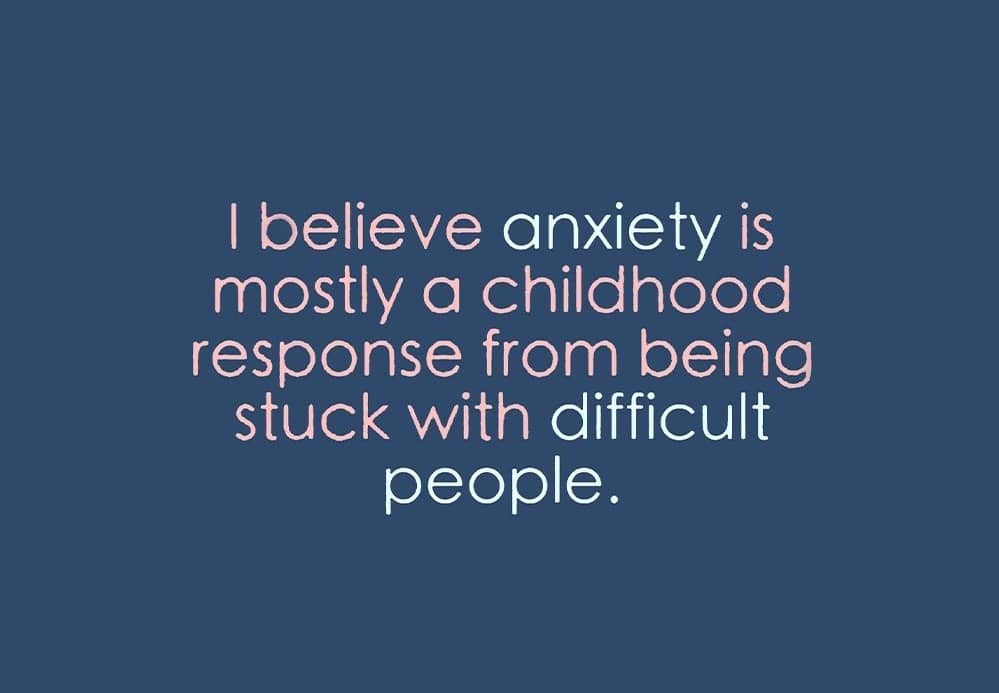
I believe anxiety is, for many of us, a childhood response that formed from being stuck with difficult people.
Yes, anxiety can come from other factors too. But in our society, we don't ask nearly enough about someone's development or whether they had safety during those early years.
When we can dial into the true causes of our anxiety, we gain a framework for lessening its impact. And with that, we can slowly become more present in our lives.
All of our childhoods were different. But here are some examples of "difficult people" who are simply too much for a child's nervous system:
- volatile, narcissistic parents who were physically or emotionally abusive
- tragic parents—carrying pain a child could never change
- being parentified and responsible for others at a young age
- sibling abuse that went unnoticed or was wrapped in secrecy
- hoping a non-protective parent would finally awaken
- miserable, moody caretakers
- major changes—moves, divorces—without any explanation
- neglectful, absent, or inconsistent parents
Think of being stuck with people like this—people you depend on, people you see every day—for roughly eighteen years. It makes sense that anyone would struggle with anxiety in all its forms, from choosing the right career to feeling that vague, free-floating fear you can't quite name.
The anxiety we had when we were five was a natural body response to stress. What we needed were healthy caretakers who could notice it, soothe it, and address the external cause.
When we can normalize our childhood responses, we can finally start separating the past from the present. And in good trauma therapy—if one can find it—we also begin to process the anger, grief, and other emotions that the anxiety has often been capping like a well.
Of course we struggle with anxiety. Any child would have.
Warmly,
Patrick
This video is part of the following playlists...
This video is featured in...
Want to go deeper?
Referenced videos
Playlist
This article relates to...
Subscribe to the recovery newsletter loved by 1000s of survivors


Would you like to hear from Patrick and get help?
Get free inspiration and education, delivered weekly to your inbox.
