autism
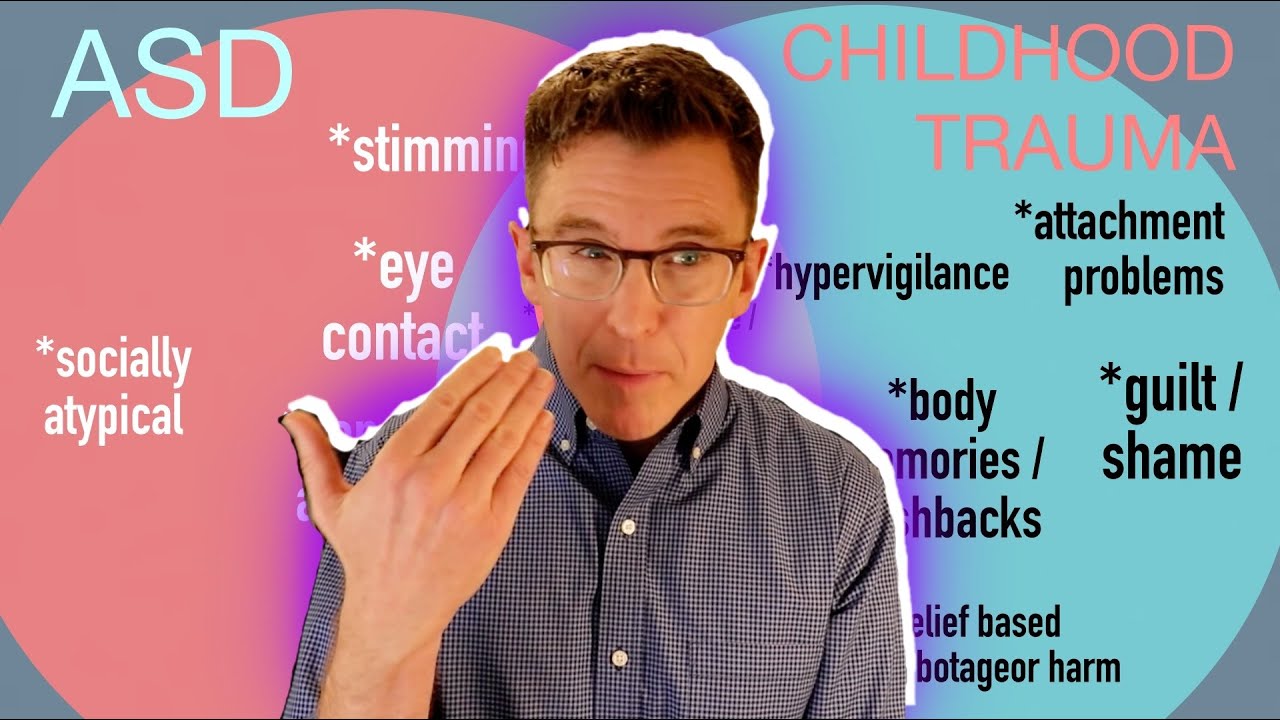
Autism, or Autism Spectrum Disorder (ASD), is a neurodevelopmental way of being that shapes how a person senses, communicates, and relates to others. In therapy, it is understood as part of the neurodivergent spectrum—differences with strengths and support needs, not a condition to cure.
Common patterns include differences in social communication, a need for predictability, focused interests, and sensory sensitivities. Stress from masking or environmental mismatch can contribute to anxiety, depression, shutdowns, meltdowns, or autistic burnout. Some people also find it hard to identify or describe feelings, which can affect emotional processing.
Neurodiversity‑affirming care emphasizes consent, accommodations, and collaboration. Supports may include adapted cognitive tools, trauma‑informed pacing, visual aids or scripts, AAC, and occupational strategies for sensory regulation. The aim is to lessen distress, increase communication access, and strengthen self‑acceptance and daily functioning, not to erase autistic traits. Family and community education can improve understanding and belonging.