
A quiet milestone for the Toxic Family Test
A newly published paper in the Journal of Family Trauma introduces the Family Toxicity Scale, giving numbers and language to the everyday dysfunction that traditional assessments miss.

I'm honored to share that the Toxic Family Test, which many of you have taken, is at the center of a newly published research paper in the Journal of Family Trauma, Child Custody & Child Development.
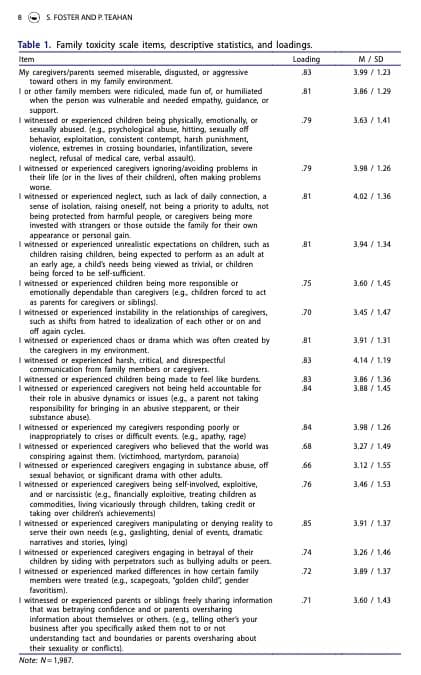
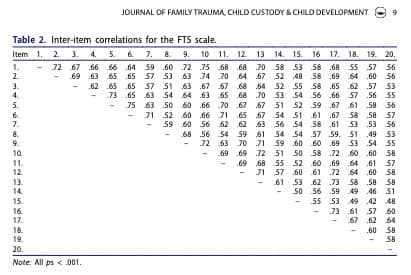
👉 Foster, S., & Teahan, P. (2025). Introduction and preliminary validation of the family toxicity scale. Read the article here.
What this research means in plain language
For decades, we've known that family life shapes mental health outcomes. Abuse, neglect, and even sibling dynamics can leave lasting marks. Tools like the ACEs checklist helped start the conversation, but they often missed the subtler, day-to-day dysfunction that many survivors recognize instantly.
This new research introduces the Family Toxicity Scale, a way to put numbers and language around what was once invisible:
- not just abuse, but constant conflict and instability
- not just neglect, but roles like scapegoat, golden child, or parentified child
- not just trauma you suffered, but also trauma you witnessed
In short, it's a more nuanced measure of toxic family environments, the kinds of dynamics that often go unseen in traditional assessments.
Why this matters: when we can measure something, we can study it. When we can study it, we can validate it. And when we validate it, we can improve therapy, diagnosis, and healing for millions of people who have lived in families that "looked fine from the outside" but were deeply toxic inside.
Take the Toxic Family Test
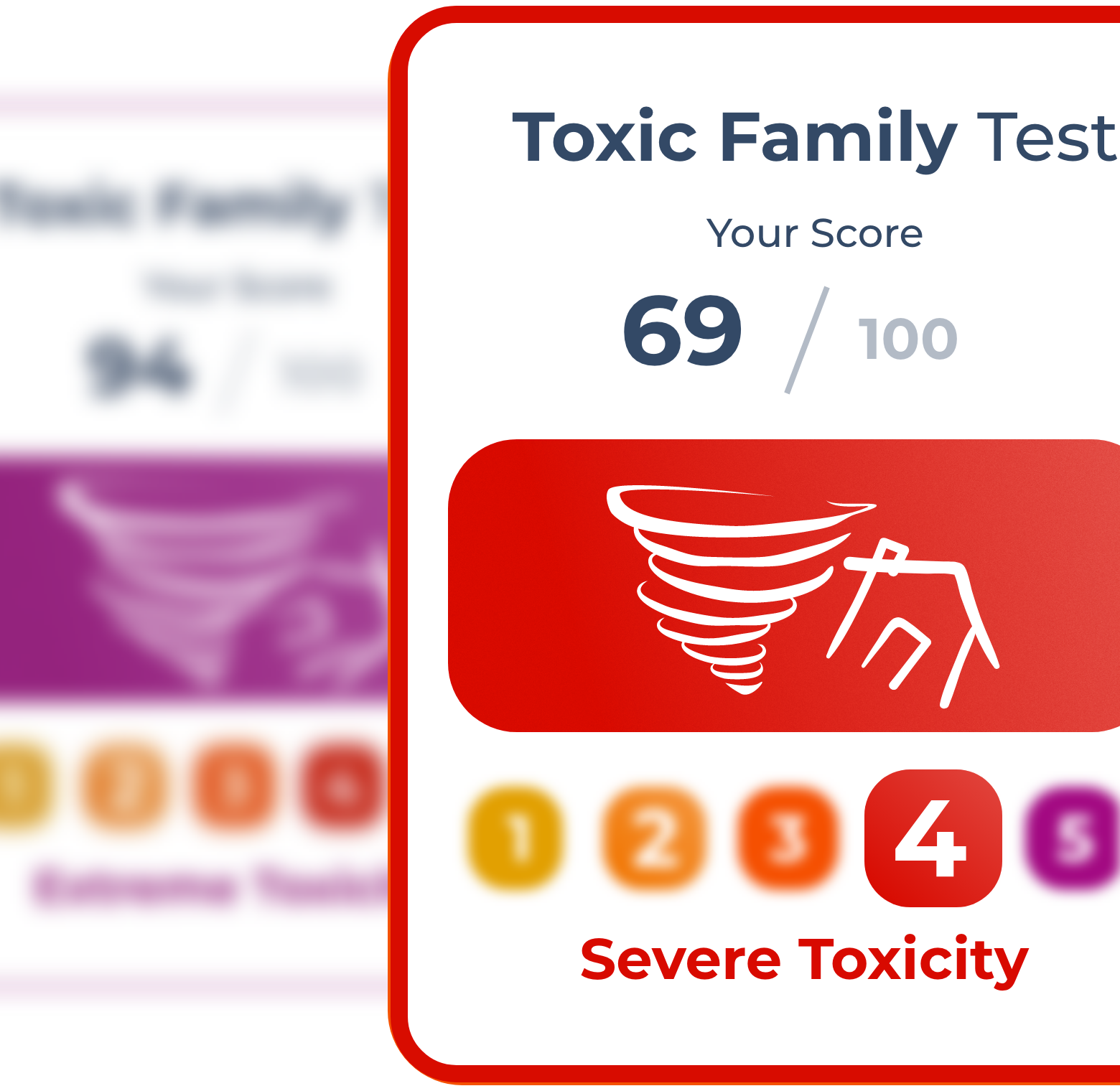
Start the test->
A personal thank you
This isn't just an academic milestone. It's a step forward for the field. Many of you took early versions of the test, shared feedback, or simply showed up. That participation helped create and validate a tool that will hopefully prove to be a win for survivors everywhere.
With gratitude,
Patrick
This video is part of the following playlists...
This video is featured in...
Subscribe to the recovery newsletter loved by 1000s of survivors

Would you like to hear from Patrick and get help?
Get free inspiration and education, delivered weekly to your inbox.
