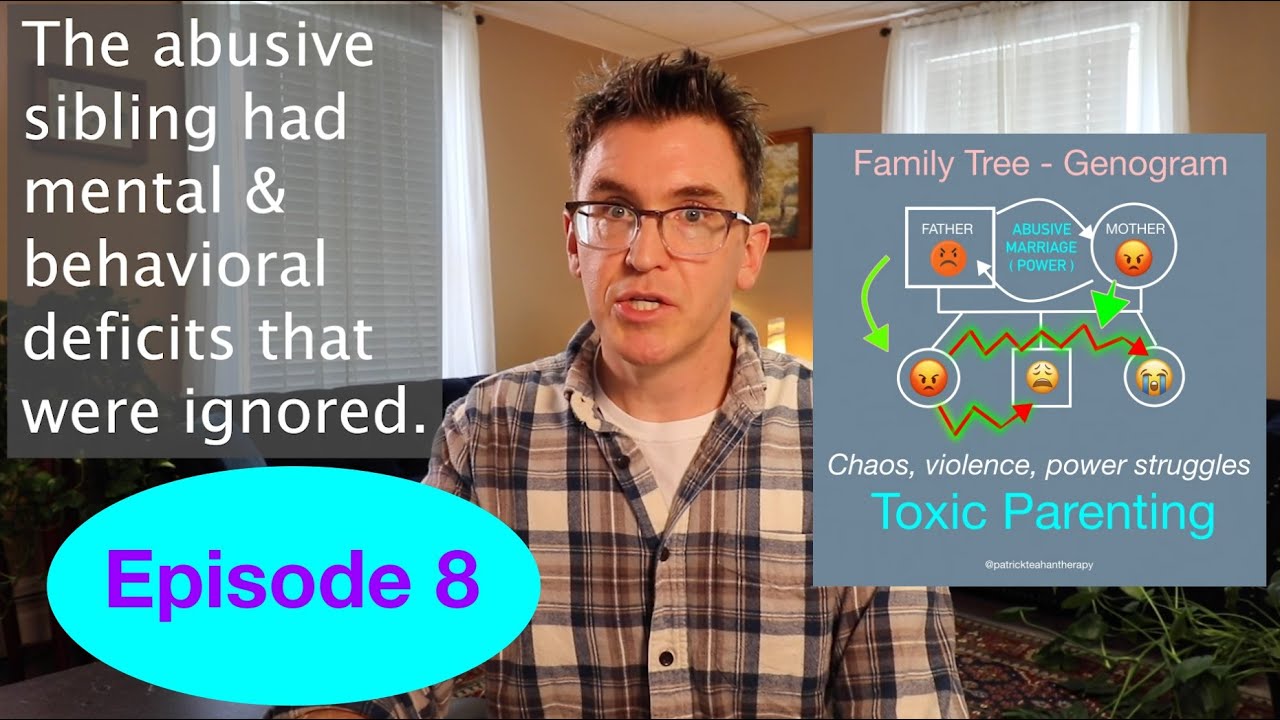
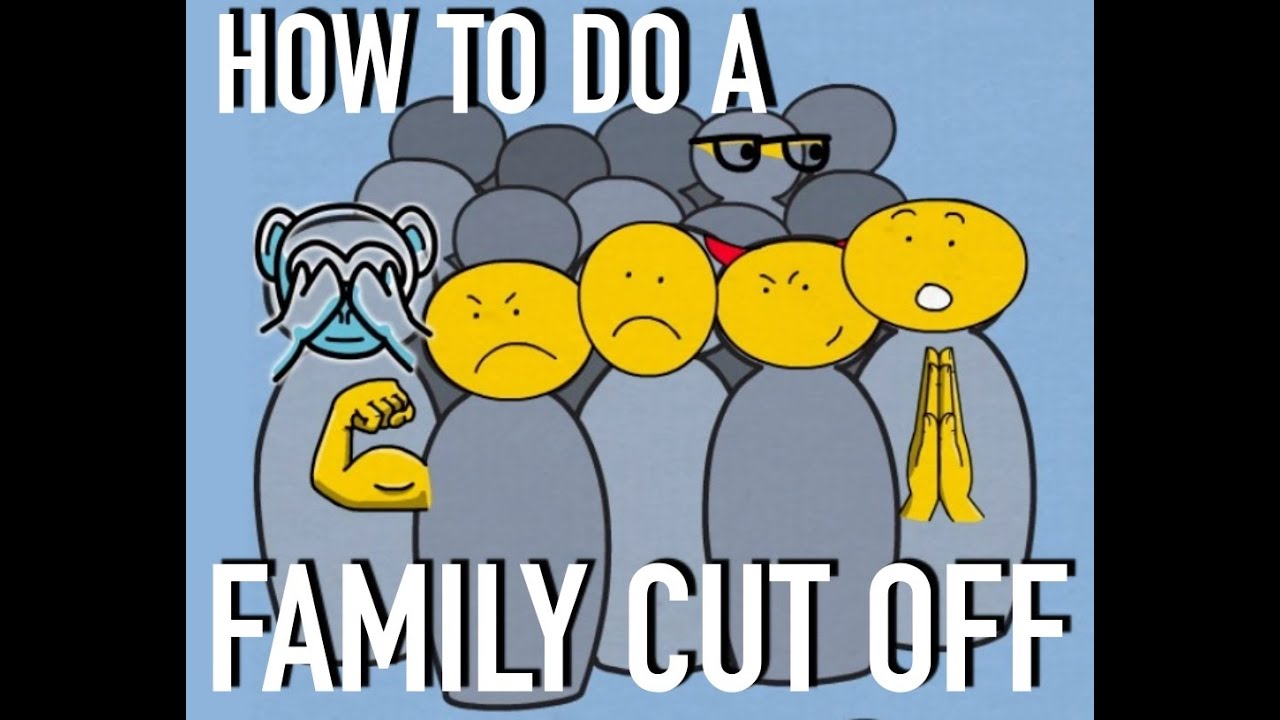
Family systems theory is a framework that views the family as an interconnected emotional unit, where each member's behavior both shapes and is shaped by the others. Developed primarily by Murray Bowen in the mid-20th century, it is foundational to many modern therapy approaches.
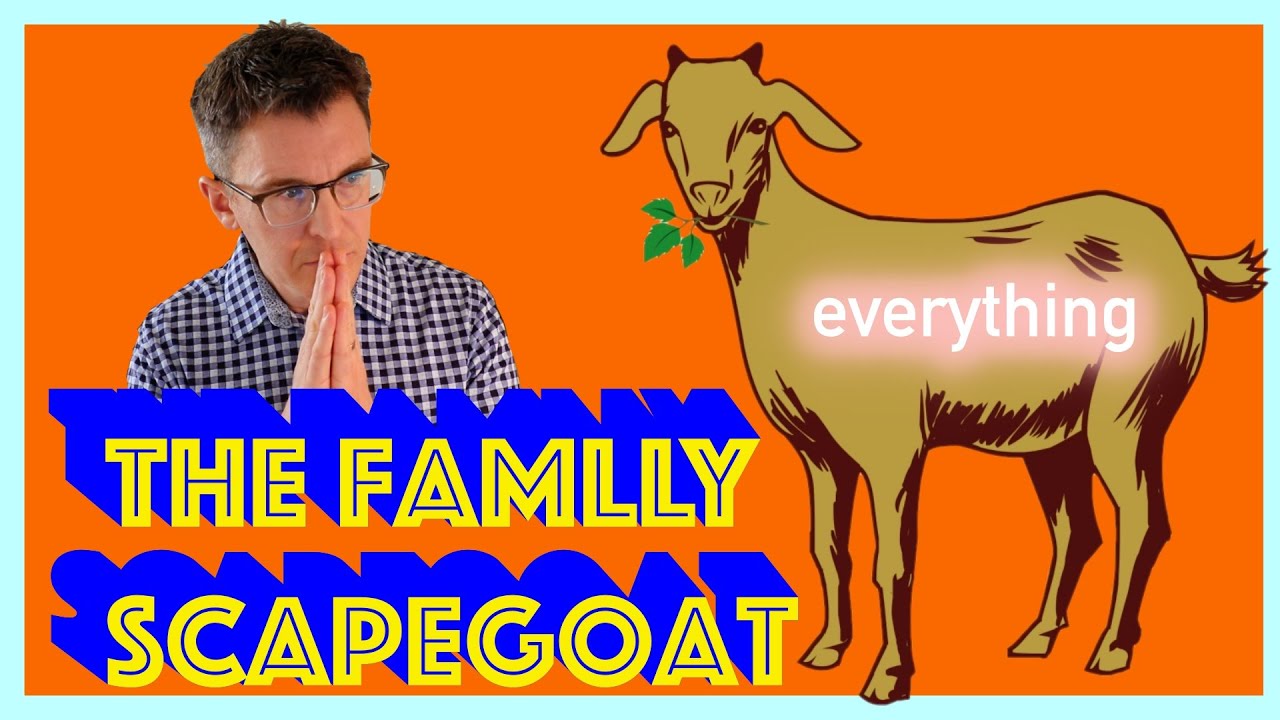
Core concepts include differentiation of self, triangles, emotional cut-off, multigenerational transmission, family projection, and the roles members take on to stabilize the system. The theory holds that symptoms in one person often reflect unresolved tensions in the family as a whole, and that changing oneself within the system can shift the broader pattern. Clinically, it gives language to dynamics like scapegoating, enmeshment, and parentification and supports more differentiated, less reactive ways of relating.